My review of warcrow isn’t positive
I’ll admit, I’m a bit frustrated writing this.
A few months ago, I was genuinely excited when a representative from Corvus Belli reached out and asked if I’d be interested in reviewing Warcrow. Having your work recognized by a game company is an incredible feeling, and I was honored they thought of me. Unfortunately, I’m saddened to say that, based on what I’ve experienced so far, this game won’t be making it to my table.
Corvus Belli is best known for their sci-fi game, Infinity. Their miniatures are beautiful—arguably some of the best in the industry—and while they’re primarily metal (a material I personally avoid due to chipping concerns), the quality of sculpt and casting is undeniably excellent.
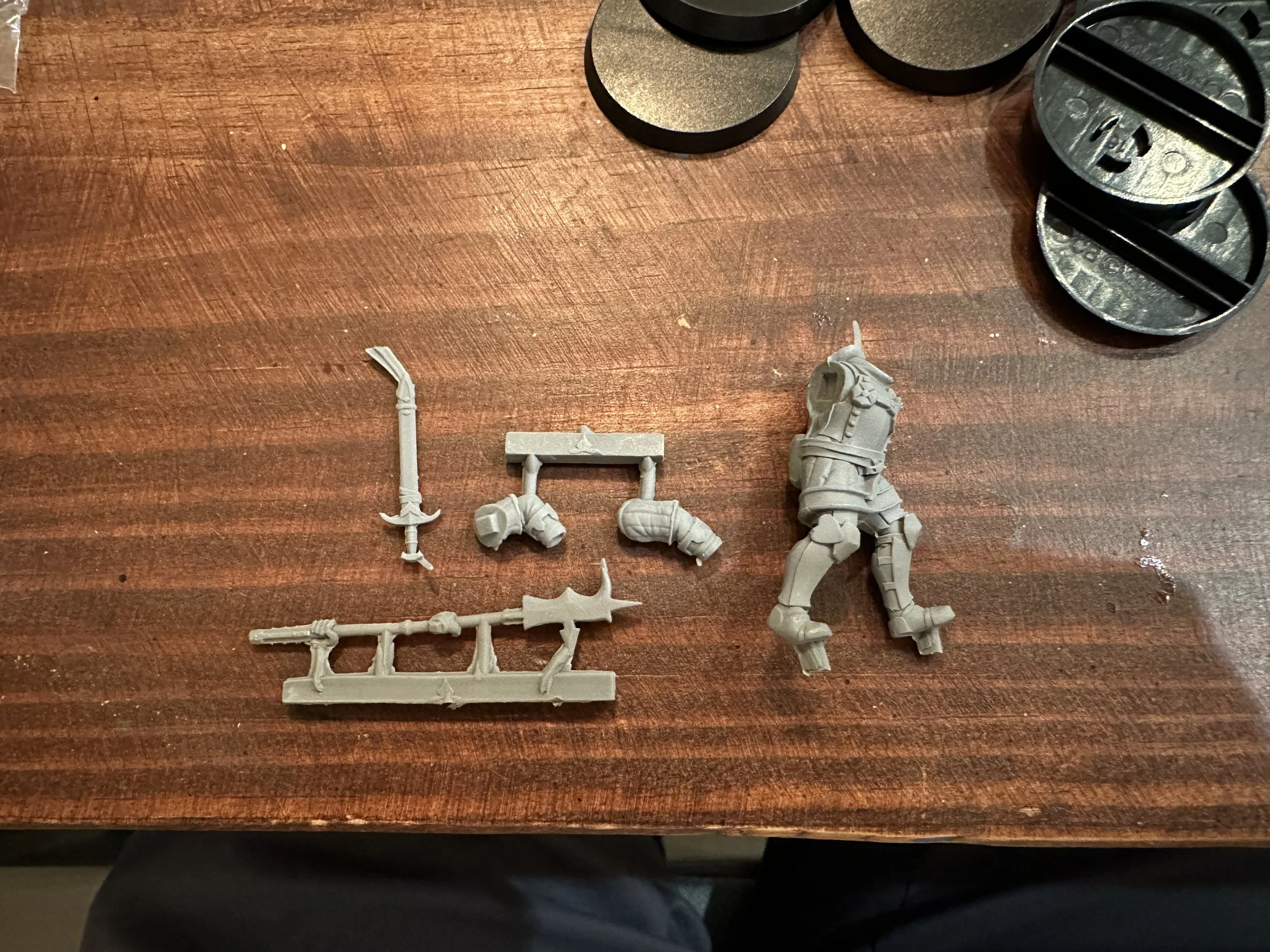
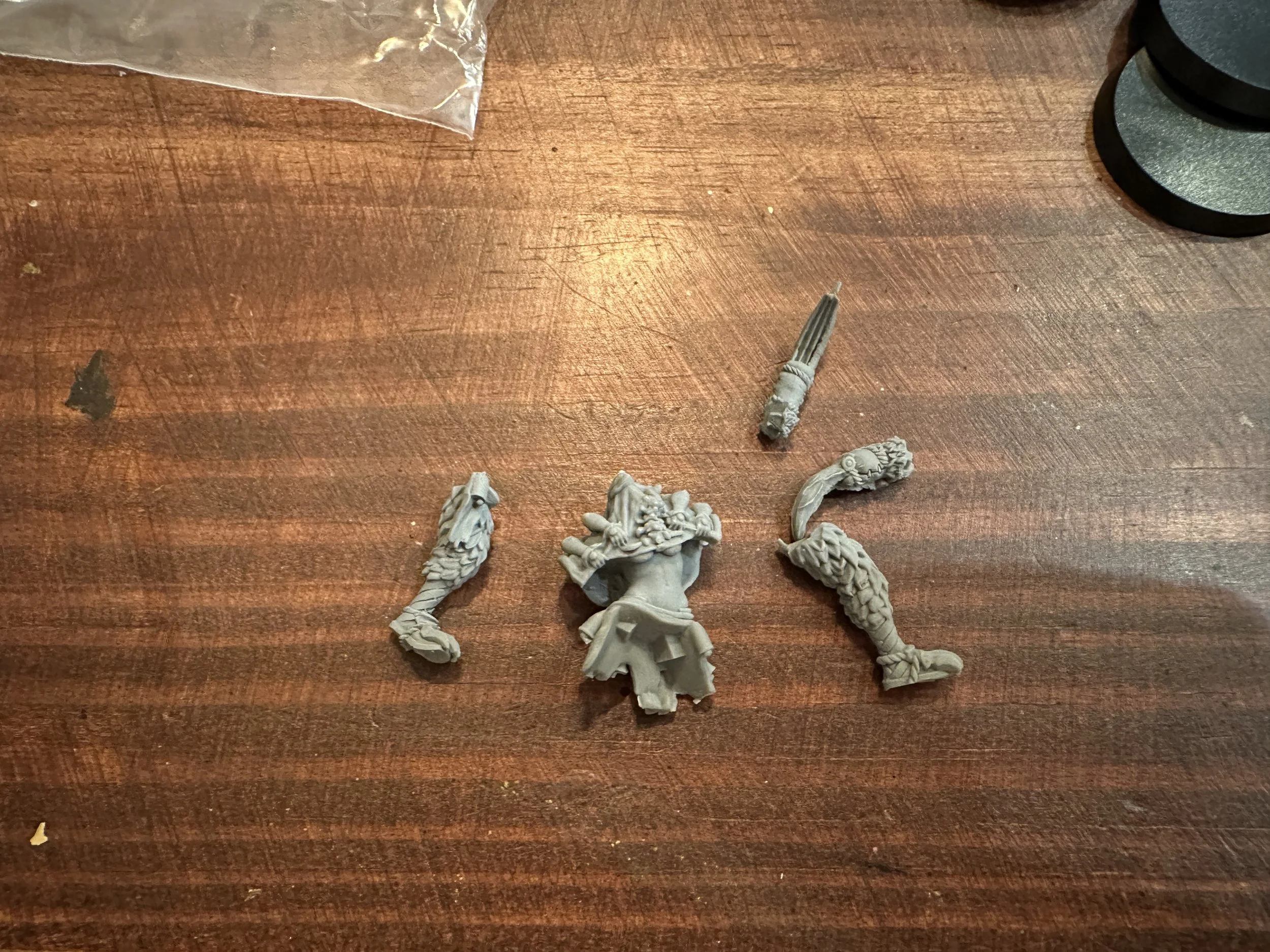
When I began unboxing Warcrow, however, I immediately noticed a difference. The material, to put it plainly, feels like low-quality resin.
I’ll take responsibility for one mistake on my part: I forgot to wash the components before assembly. It’s not something I’ve had to deal with in years. I was quickly reminded why that step exists when my Loctite super glue gel wouldn’t bond properly, and my fingers were left with a powdery residue.
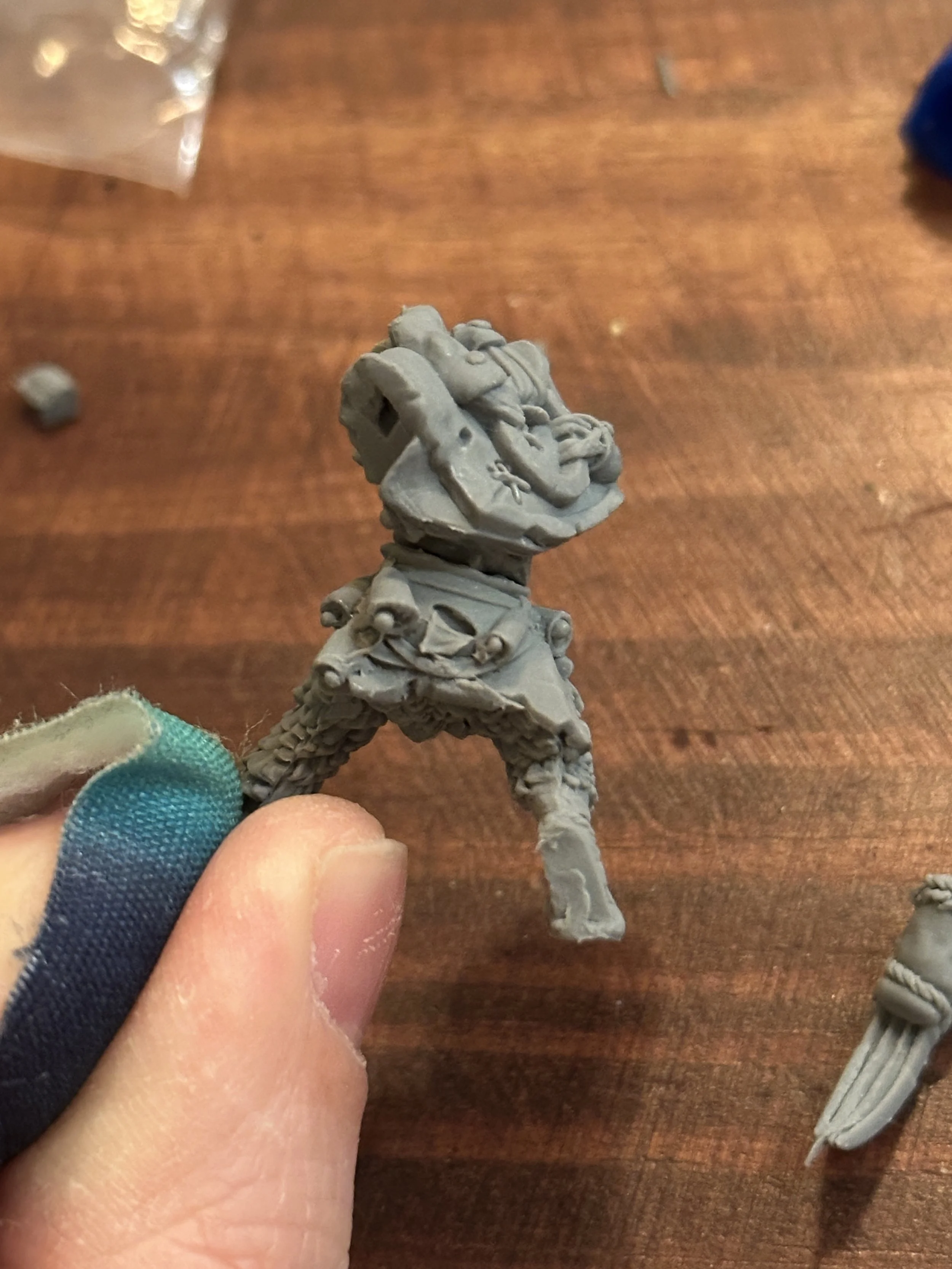
As I continued working, I ran into additional issues. Connection points didn’t seat cleanly, leaving noticeable gaps, and separating pieces from the resin gates raised constant uncertainty about whether I was removing flash or risking damage to actual sculpted detail.
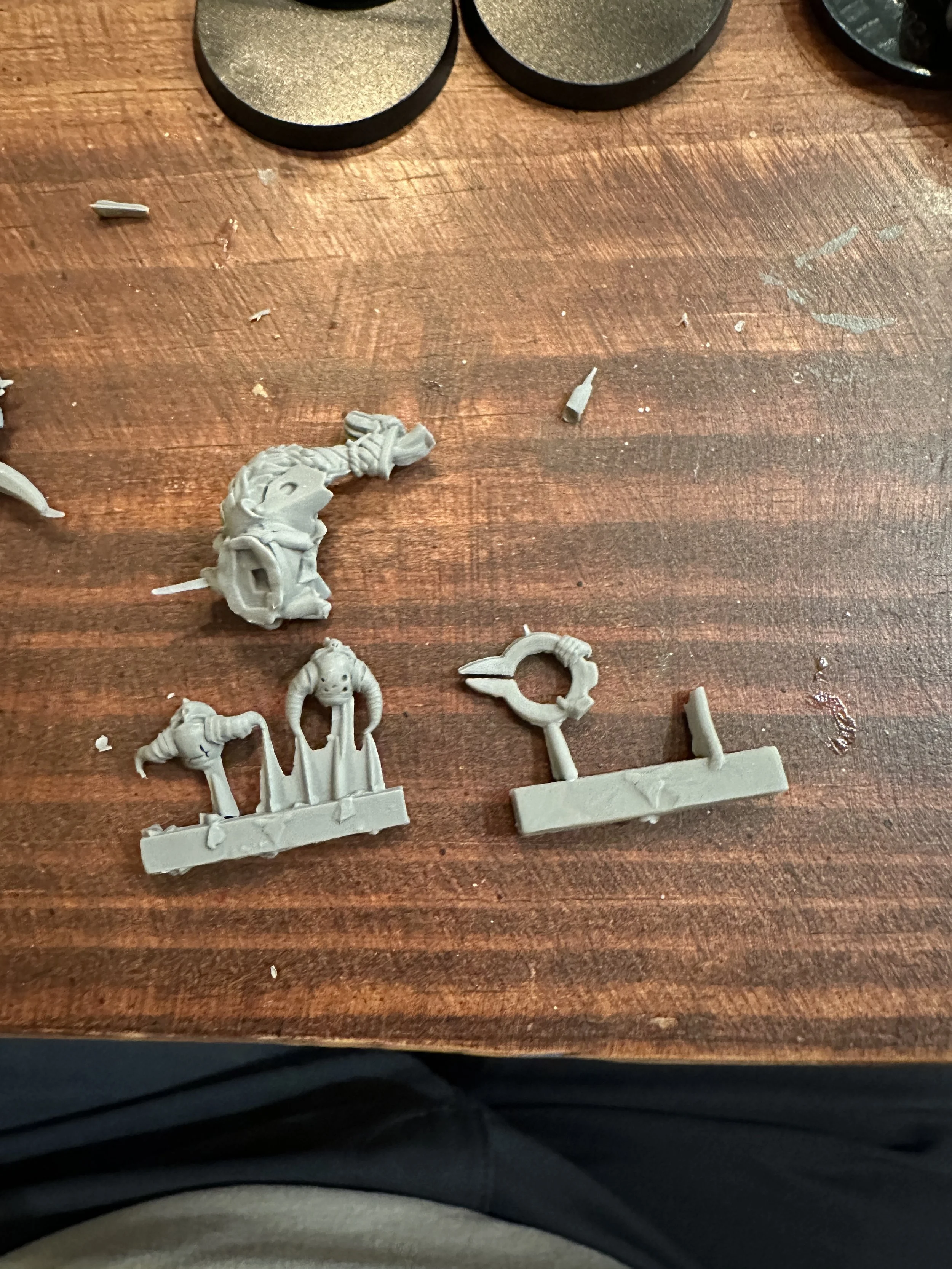
I managed to fully assemble one miniature and partially complete a few others before deciding to stop.
It’s 2026, and there are simply too many better manufacturing options available—hard plastic, high-quality resin, PVC, metal, or even providing digital files for home printing. At a retail price of near $200 USD, I expected a far more refined hobby experience.
At this price point, I don’t think it’s unreasonable to expect miniatures that don’t require extensive washing to remove release agents, careful guesswork when removing parts from large resin gates, or gap filling and repair as a standard part of assembly. Thin pieces shouldn’t feel fragile, and the process shouldn’t feel like a step backward compared to modern standards.
What began as excitement has turned into disappointment. Corvus Belli is a company I’ve long respected, which makes this experience all the more surprising. I can’t help but feel that the material choice here reflects a cost-saving decision that ultimately comes at the expense of the hobbyist experience.